 Jormorbi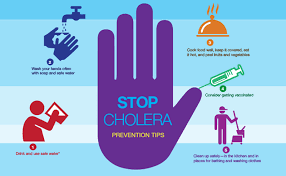
Health authorities have intensified cholera prevention and public awareness campaigns across several regions as the rainy season increases the risk of waterborne disease outbreaks.
The Ghana Health Service, working alongside local assemblies and sanitation agencies, has launched community sensitisation programmes focused on hygiene, safe drinking water, and proper waste disposal.
Medical experts warn that flooding and poor sanitation conditions can create environments that facilitate the spread of infectious diseases.
Residents have been advised to wash hands regularly, consume clean water, and seek immediate medical attention if symptoms such as severe diarrhoea or vomiting occur.
Health facilities across the country have also strengthened surveillance systems to enable early detection and rapid response to potential outbreaks.
Public health officials say prevention remains the most effective strategy for controlling cholera and other waterborne diseases.
Community leaders and schools have joined awareness efforts aimed at educating citizens on good sanitation practices.
The campaign forms part of broader public health initiatives designed to protect communities during the peak rainy season.
Authorities remain confident that increased public cooperation will help reduce health risks and improve overall community wellbeing.